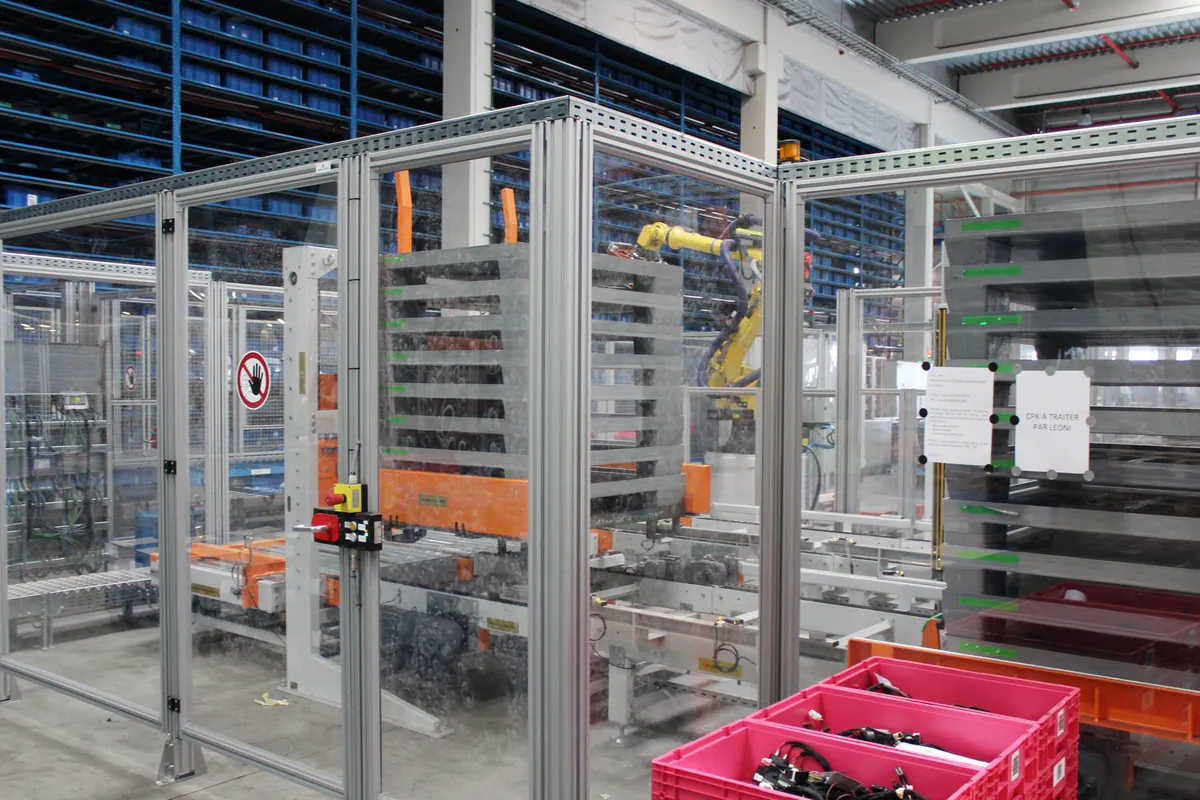
We engineer and integrate automation systems that optimise material handling, support just-in-time production, and ensure precise, repeatable assembly across automotive manufacturing environments.
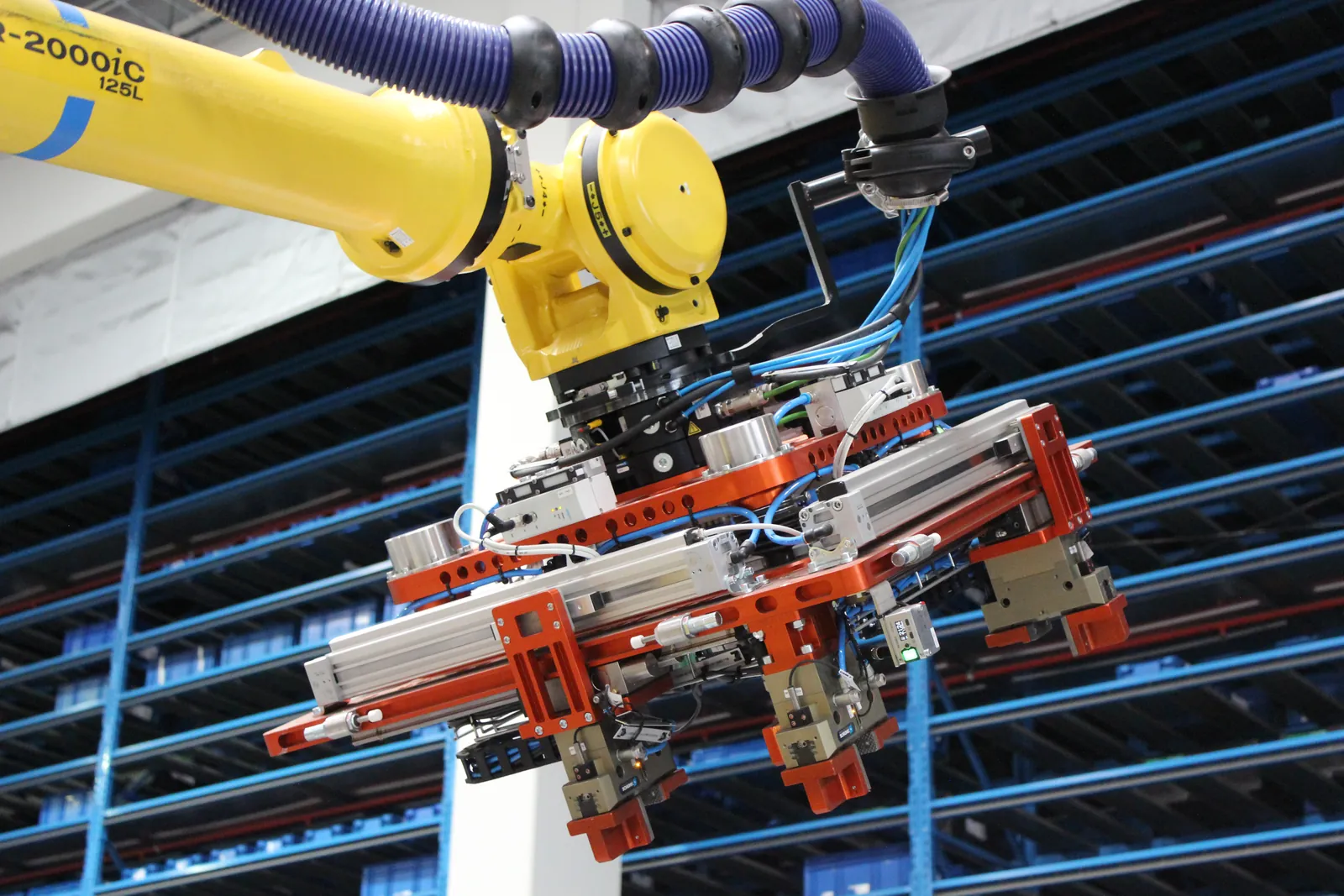
Industry challenges
Automotive manufacturing requires strict quality standards, synchronised material flow, and reliable assembly processes. As product variants increase and production cycles accelerate, manual handling and isolated automation struggle to maintain precision, sequence accuracy, and consistent output across the line.
Manual assembly tasks introduce variability in fastening, alignment, and torque control.
Delays or misrouting of components disrupt production sequencing and line efficiency.
Multiple variants and fast changeovers increase handling and coordination challenges.
Manual handling and repetitive tasks increase costs and limit scalability.
Our approach
Automation systems designed to ensure consistent fastening, positioning, and assembly quality across cycles.
Robots, conveyors, and mobile systems coordinated to support uninterrupted production flow.
Solutions adapted to changing models, variants, and production volumes without disrupting the line.
Automation built for continuous operation in demanding automotive manufacturing environments.
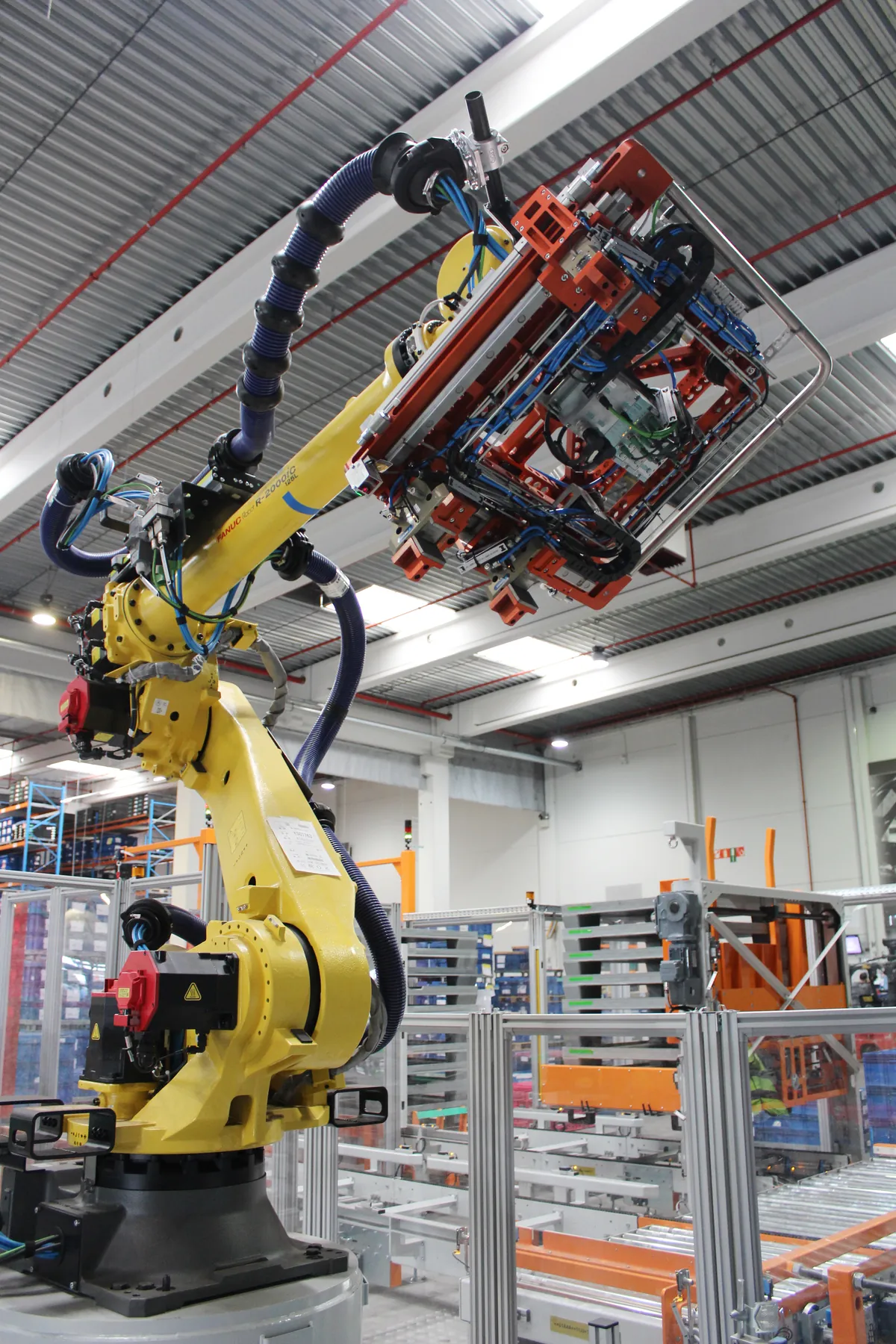
Automated fastening of battery module cover panels using controlled torque and repeatable positioning.
Automated unloading and routing of KLT boxes supplying automotive assembly stations in sequence.
Automation ensures consistent positioning, controlled torque application, and repeatable assembly processes. By reducing manual variability, automated systems improve quality consistency, lower rework rates, and support the precision requirements of high-volume automotive manufacturing environments.
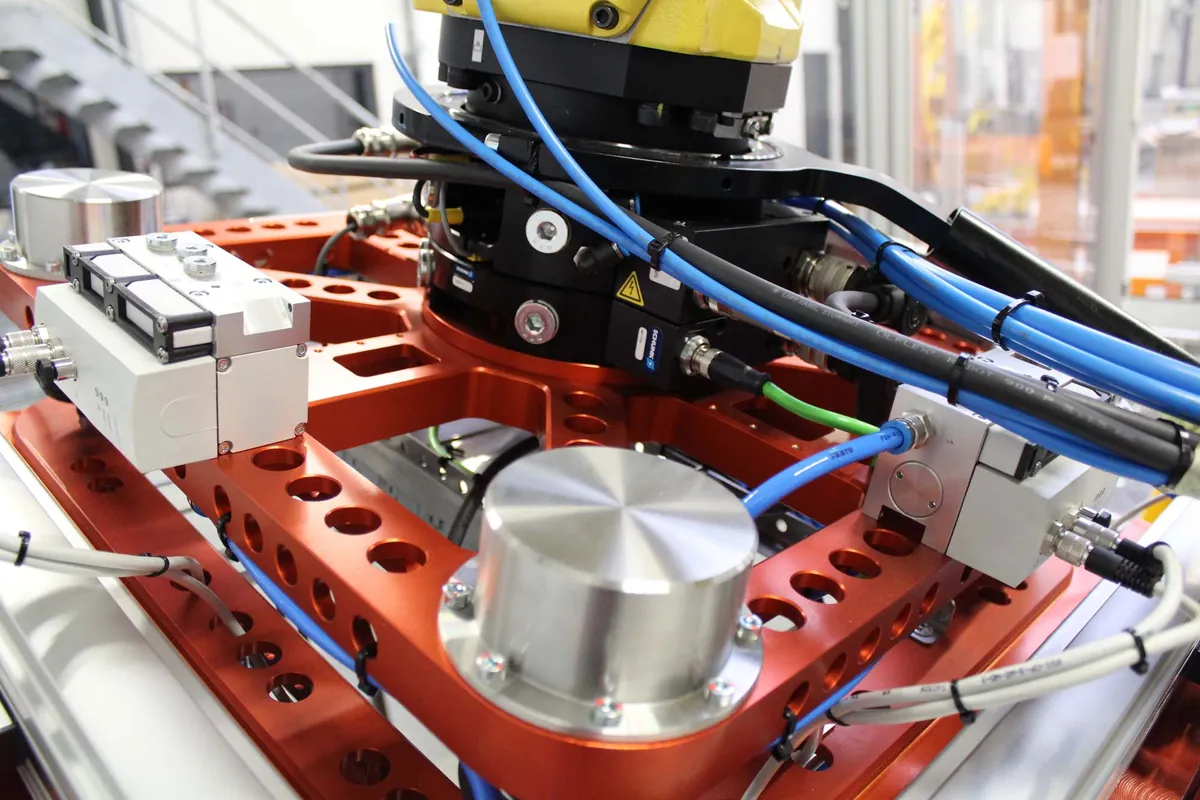
Yes. Automotive automation systems synchronise material handling, internal transport, and assembly operations. This coordination helps maintain just-in-time delivery of components, reduce line disruptions, and ensure parts arrive at assembly stations in the correct sequence.
Automotive automation solutions are engineered to support multiple vehicle models and production variants. Systems can be adapted to changing volumes, layouts, and component configurations without disrupting existing production lines or requiring complete system replacement.
Automation reduces repetitive and physically demanding tasks such as handling, fastening, and internal transport. This lowers labour intensity, improves ergonomics for operators, and allows personnel to focus on quality control and higher-value manufacturing activities.
Tell us about your assembly process, material flow requirements, and production constraints. We’ll evaluate how automation can improve precision, efficiency, and flexibility across your automotive manufacturing environment.