Automation solutions for pharmaceutical production environments

We design and integrate robotic handling, conveying systems, and mobile automation for pharmaceutical manufacturing, supporting cleanroom operations, sensitive materials, and strict regulatory requirements while improving efficiency and process reliability.
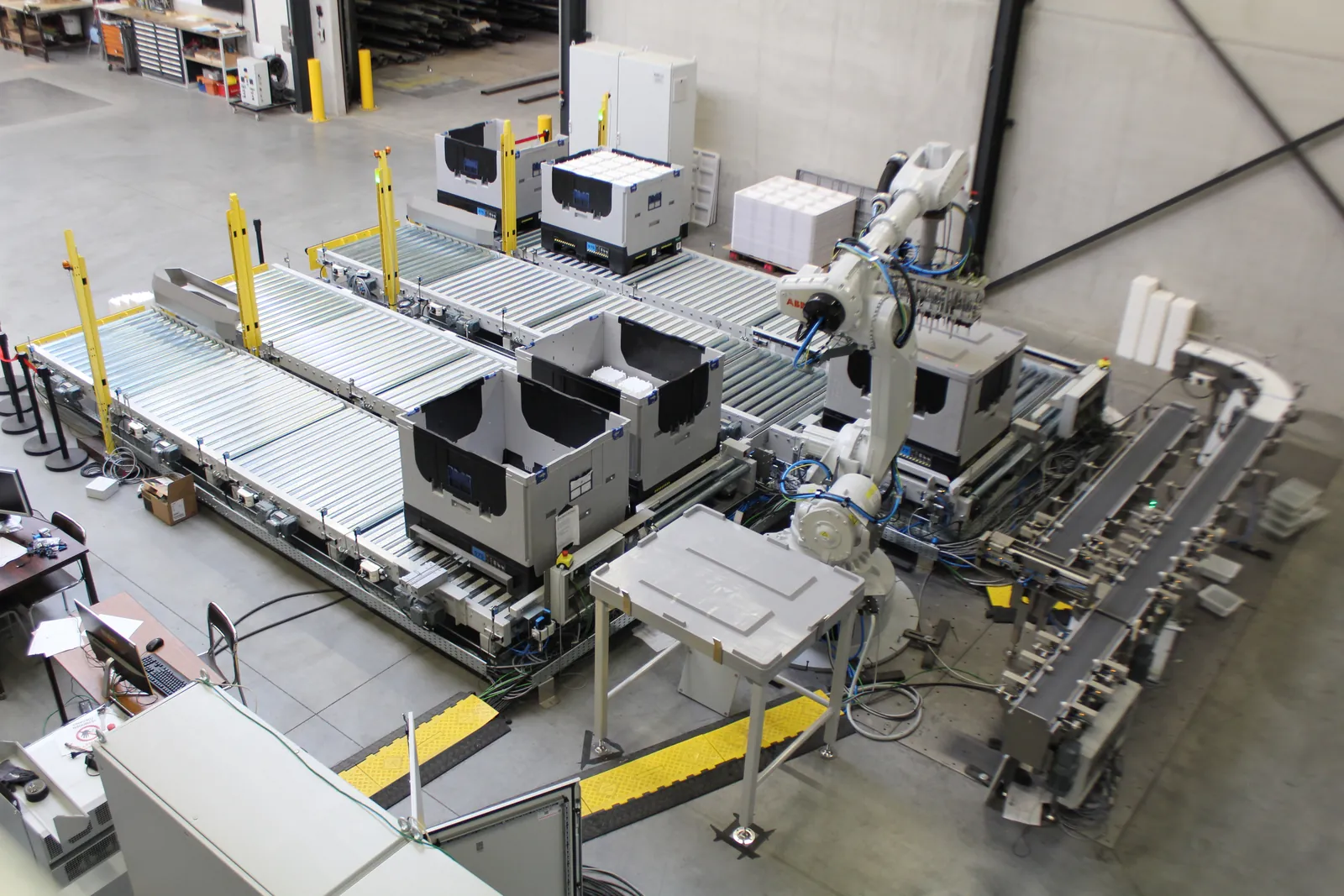
Robot cell handling syringe tubs in a pharmaceutical production line

Industry challenges

Where pharmaceutical production demands absolute control

Pharmaceutical manufacturing requires precision, consistency, and strict compliance at every stage of production. Handling sensitive products, preventing contamination, and maintaining traceability across batches are critical challenges: especially as throughput increases and processes become more complex.

  • 01

    Strict regulatory requirements

    Production systems must comply with GMP standards and validated processes at all times.

  • 02

    Contamination risks

    Human intervention and manual handling increase the risk of contamination in cleanroom environments.

  • 03

    Sensitive product handling

    Vials, syringes, and tubs require careful, repeatable handling to maintain product integrity.

  • 04

    High-throughput pressure

    Growing production volumes demand automation without compromising precision or compliance.

Our approach

Automation engineered for cleanroom production

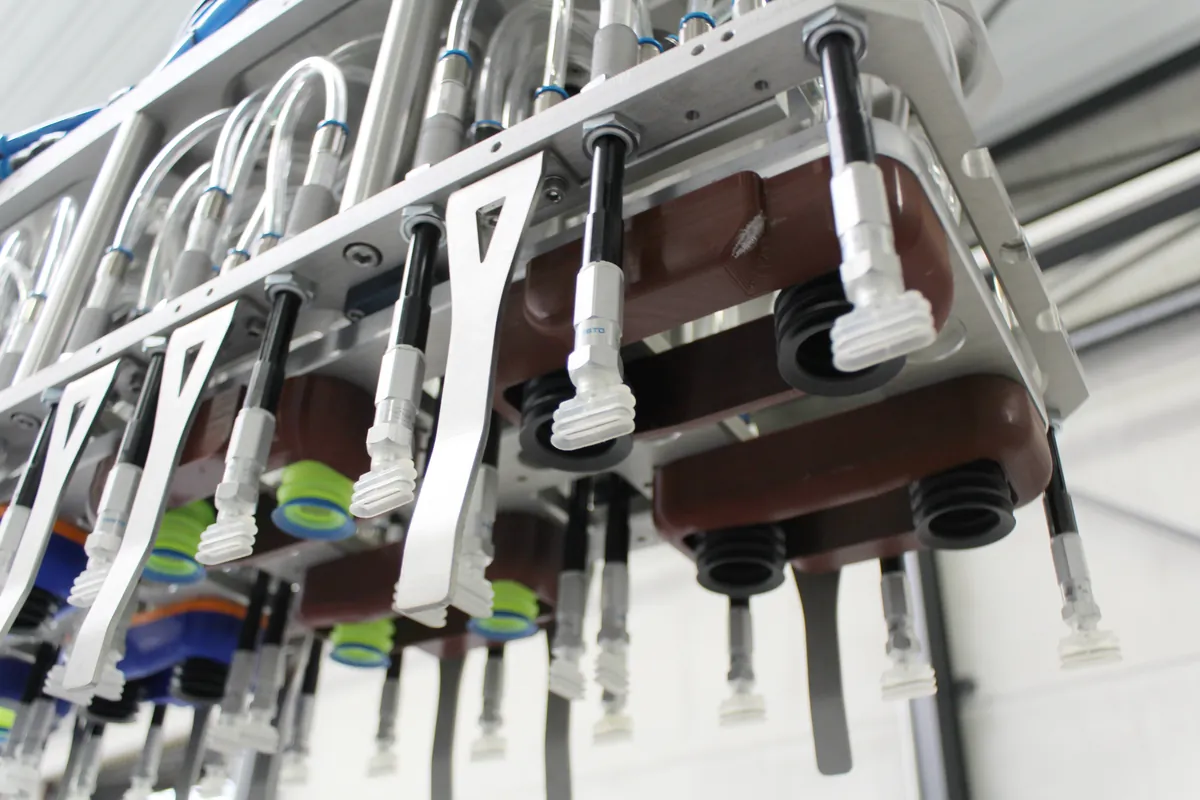
Robot gripper designed for sensitive pharmaceutical products

Integrated system design

Automation is engineered as a coordinated system: connecting robotic handling, conveying, and inspection within validated pharmaceutical workflows.

Designed for sensitive products

Solutions are tailored to handle small, delicate formats such as vials and syringe tubs with consistent accuracy.

Compliance-first engineering

Systems are designed to support regulatory compliance, traceability, and controlled environments.

Reliable operation at scale

Automation supports stable, repeatable production even as throughput and batch complexity increase.
Automation solutions for pharmaceutical production tasks

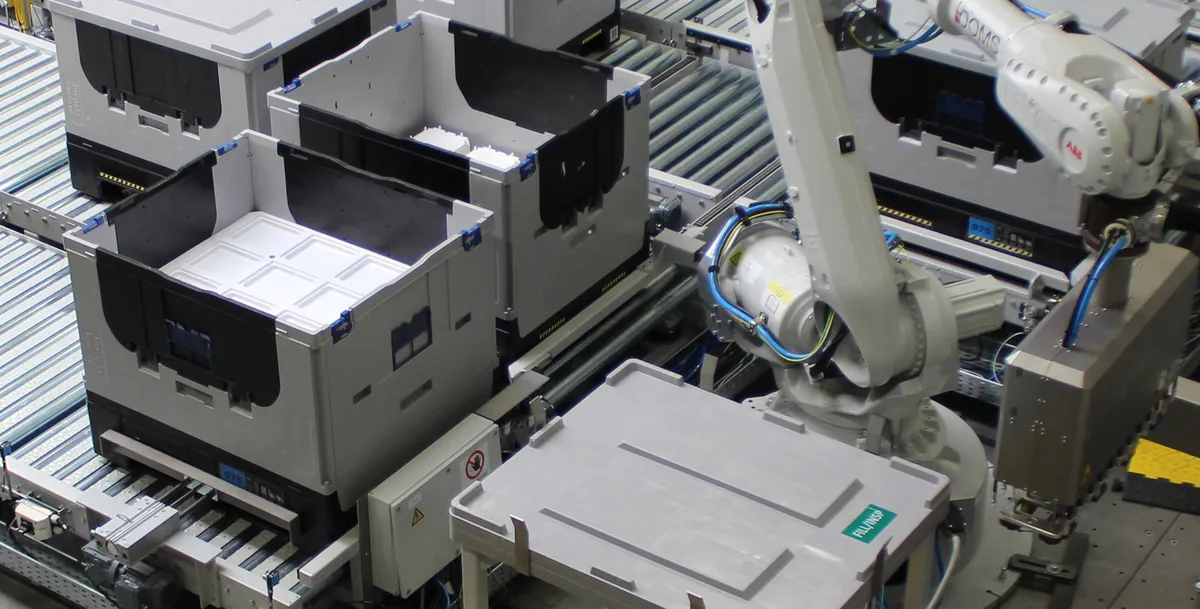
Conveying system transferring pharmaceutical products between process steps
01

Conveying and lifting of vials

Automated handling of vials in cleanroom environments across multiple production levels.

  • Vials from 2 ml to 50 ml
  • Cleanroom-compatible conveying
  • Controlled transfer between processing stages
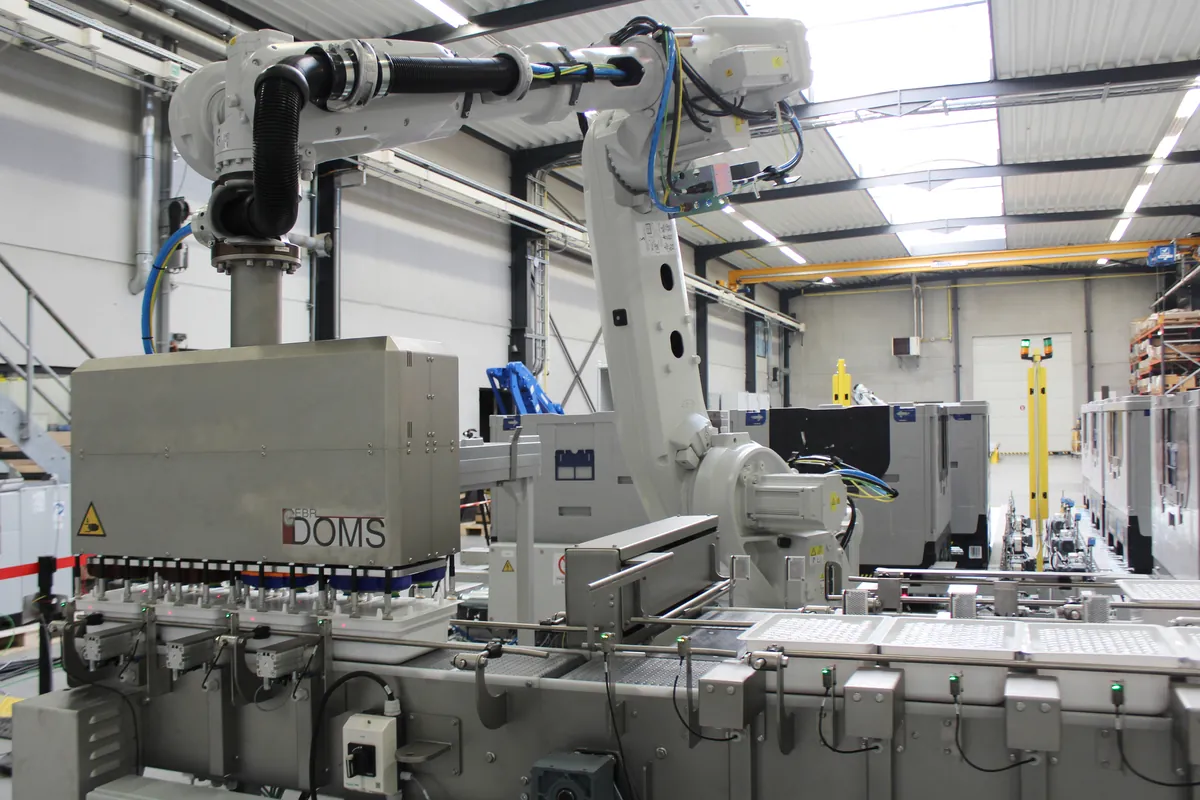
Robot palletising syringe tubs after filling and inspection
02

Conveying and palletising of syringe tubs

Automation for handling syringe tubs from filling to inspection and palletising.

  • Gentle handling of filled syringe tubs
  • Cleanroom-compliant transport
  • Reliable palletising for storage and logistics

Frequently asked questions

How does automation support compliance in pharmaceutical manufacturing?

Automation reduces manual handling, improves process consistency, and supports traceability across production steps. Systems are engineered to operate within validated environments, helping pharmaceutical manufacturers maintain regulatory compliance while increasing operational reliability and reducing variability in critical handling processes.

Can automation be used safely in cleanroom environments?

Yes. Automation systems can be designed specifically for cleanroom environments, using appropriate materials, layouts, and handling methods. These systems minimise contamination risks, support controlled workflows, and maintain hygienic conditions required for pharmaceutical production and inspection processes.

What pharmaceutical products can be handled with automation?

Automation solutions can handle a wide range of pharmaceutical products, including vials, syringes, tubs, and packaged units. Systems are tailored to product dimensions, sensitivity, and production requirements to ensure safe, accurate, and repeatable handling throughout the production process.

Does automation affect product quality or sterility?

When properly engineered, automation improves product quality and sterility by reducing human intervention and ensuring repeatable handling. Controlled movements, consistent positioning, and stable process flow help maintain product integrity across filling, inspection, and packaging stages.

Let’s discuss automation for your pharmaceutical production

Tell us about your production process, cleanroom requirements, and compliance constraints. We’ll evaluate how automation can support efficiency, product integrity, and regulatory standards within your pharmaceutical operation.