Petrochemical automation engineered for safety and controlled material handling

We design and integrate automation systems that manage hazardous materials, large volumes, and diverse formats under demanding petrochemical production conditions, ensuring safe, efficient, and reliable operations.
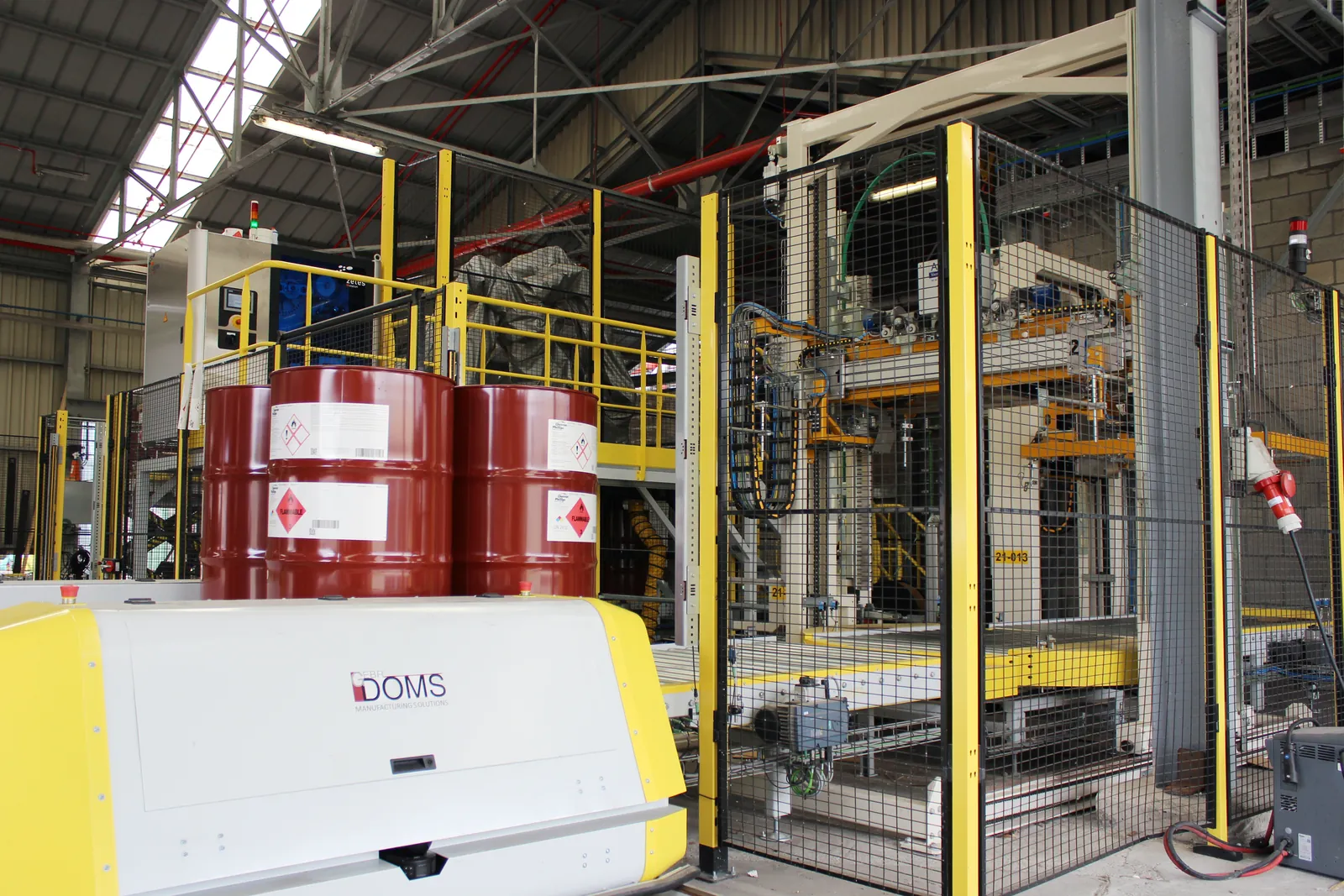
Drums of petrochemical product in an automated handling installation

Industry challenges

Where petrochemical operations demand safety and process stability

Petrochemical production involves handling hazardous substances, heavy containers, and large volumes under strict safety and regulatory requirements. Manual handling and fragmented automation increase risk exposure, slow down operations, and make it difficult to maintain consistent flow across filling, packaging, and logistics processes.

  • 01

    Hazardous material handling risks

    Manual operations increase exposure risks when working with dangerous substances.

  • 02

    Large volumes and heavy loads

    Drums, containers, and bottles require stable and controlled handling at scale.

  • 03

    Format variability

    Different container sizes and packaging formats complicate automated flow.

  • 04

    Labour-intensive processes

    Manual depalletising, labelling, and palletising slow down production and increase costs.

Our approach

Automation built for petrochemical production environments

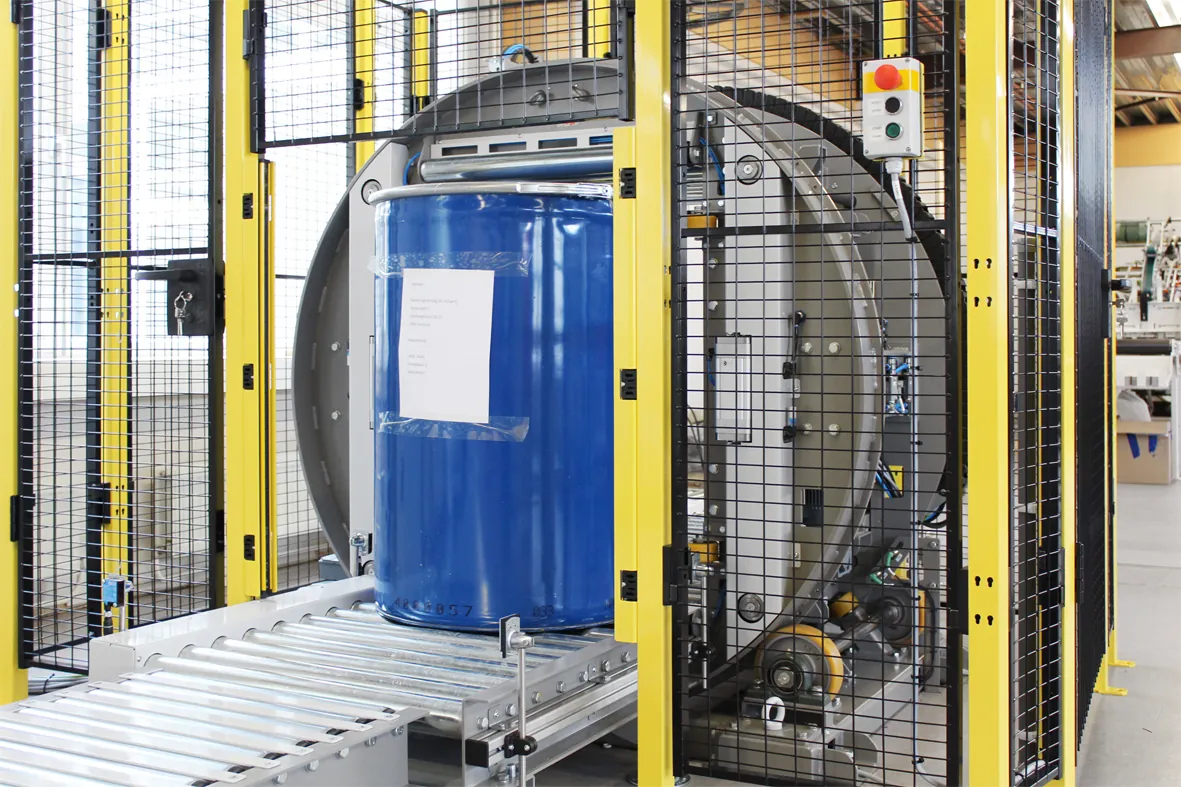
Drum turned in a tilting unit for controlled handling

Safety-first system design

Automation engineered to reduce human exposure and support safe handling of hazardous products.

Controlled material flow

Systems designed to manage heavy containers, drums, and bottles with stability and precision.

Adaptable to multiple formats

Automation solutions capable of handling varying container sizes and packaging configurations.

Reliable operation under demanding conditions

Systems built to perform consistently in harsh and regulated petrochemical environments.
Automation solutions for real petrochemical production tasks

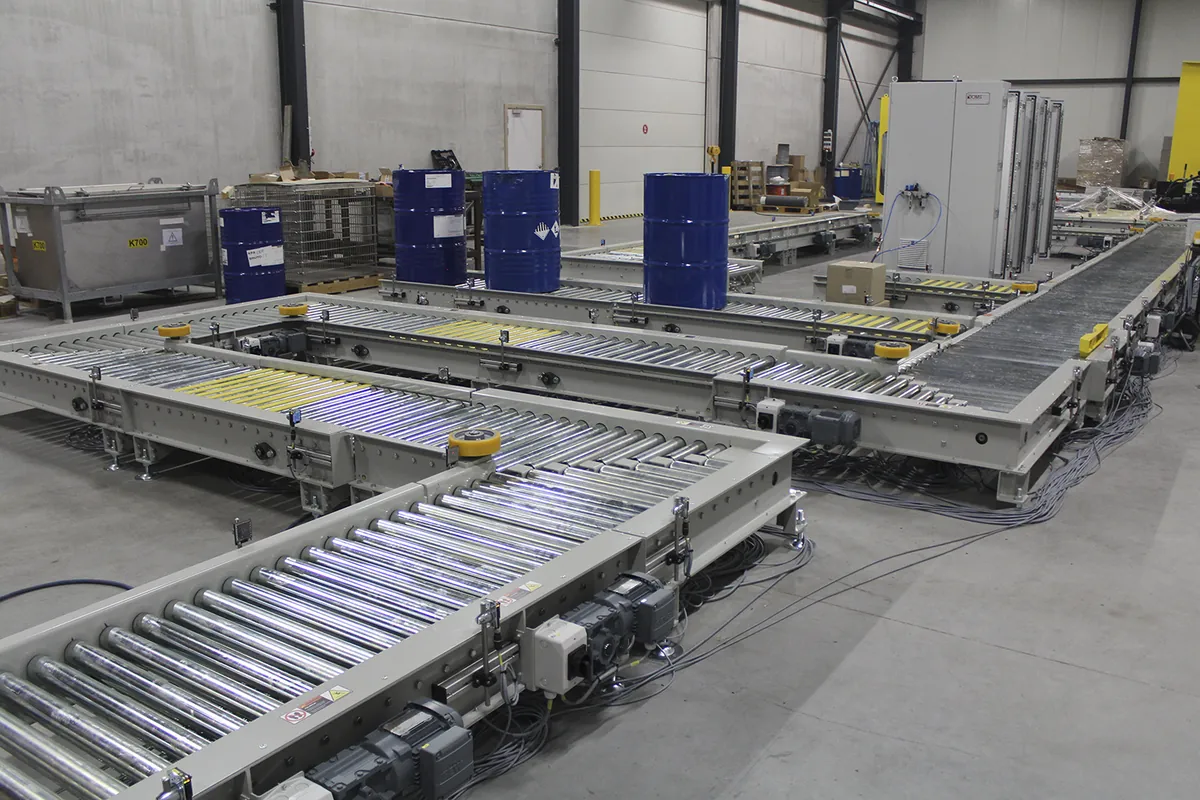
Conveying line feeding containers for lubricant filling
01

Depalletising of bottles for lubricants

Automated depalletising and feeding of empty lubricant bottles into continuous filling lines.

  • Supports multiple bottle sizes (1 l to 5 l)
  • Continuous and stable bottle feeding
  • Reduced manual handling and labour intensity
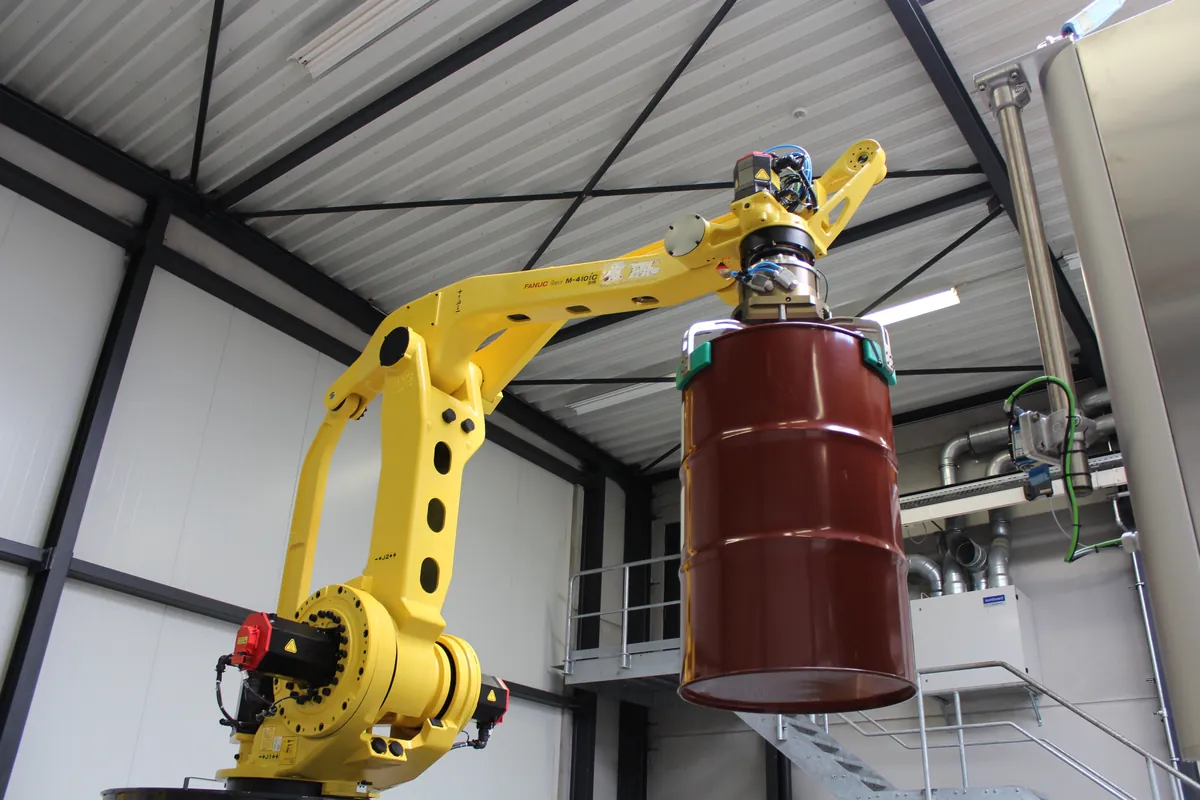
Robot palletising additive drums after labelling
02

Labelling and palletising of additive drums

Automated handling of hazardous drums from filling to labelling and palletising.

  • Safe handling of hazardous materials
  • Consistent labelling and palletising
  • Reduced safety risks for operators

Frequently asked questions

How does automation improve safety in petrochemical operations?

Automation reduces direct human exposure to hazardous substances by mechanising handling, filling, labelling, and palletising processes. This lowers safety risks, improves process consistency, and helps maintain controlled operations in demanding petrochemical production environments.

Can automation handle heavy drums and containers safely?

Yes. Automation systems are engineered to handle heavy drums and containers with controlled movement and stable positioning. Equipment and layouts are designed to manage weight, volume, and hazardous contents safely throughout filling, labelling, and palletising stages.

Is automation flexible enough for different container sizes and formats?

Petrochemical automation solutions are designed to handle a wide range of container sizes, shapes, and packaging formats. Systems can be adapted to changing production requirements without disrupting material flow or requiring major system modifications.

Does automation support regulatory compliance in petrochemical production?

Properly engineered automation improves traceability, consistency, and controlled handling of hazardous materials. By reducing manual intervention and standardising processes, automation helps petrochemical producers meet safety regulations and compliance requirements more reliably.

Let’s talk about your petrochemical automation challenges

Tell us about your materials, packaging formats, and safety requirements. We’ll evaluate how automation can reduce risk, improve efficiency, and support stable operations across your petrochemical production environment.